Sourcing from China has changed. If you are reading this in 2026, you already know that the old methods—simply clicking "buy" on a B2B website—no longer work for serious businesses.
Whether you are a startup launching a shoe brand, a contractor managing a complex home renovation project, or a large enterprise looking for chemical suppliers in Guangdong, the challenge is the same: Certainty.
How do you get the right price without sacrificing quality? How do you ensure the factory you found online is real? How do you get your goods through US Customs without delays?
This is the "Grand Central Station" of sourcing guides. We will walk you through the entire lifecycle of importing from China. But more importantly, we will show you why hiring a professional sourcing partner (a Deal Broker) is the smartest investment you can make this year.
1. The 2026 Landscape: Why China is Still the "World's Factory"
Every year, people ask: "Is China still the best place to source products?" In 2026, the answer is still a resounding YES.
While other countries offer cheap labor, no one can match China’s Industrial Clusters. This is where raw materials, factories, workers, and logistics all exist in the same city.
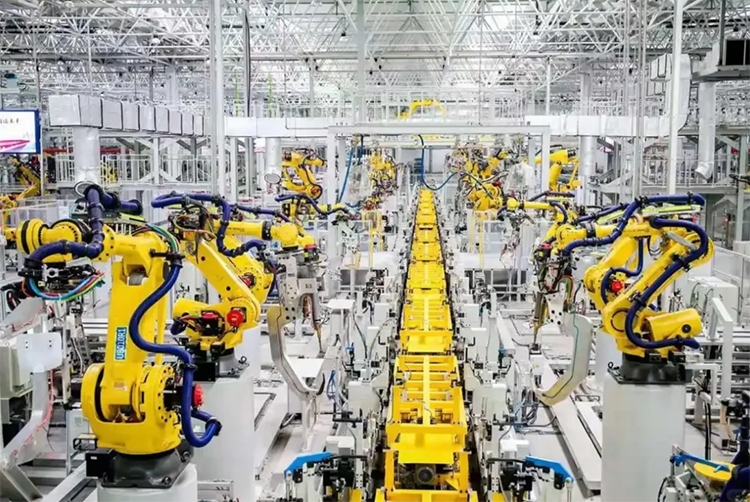
The Power of Clusters vs. Low Costs
Don't just look for the cheapest labor. Look for the best ecosystem.
- For Electronics: Shenzhen.
- For Cements and Chemicals: You can look at Guangdong and Guangxi. This is our home turf. We know the specific industrial zones where the highest quality additives and construction materials are produced.
- For Home Furniture: Foshan.
The Agency Advantage: Many buyers search online and find a "factory" that is actually a trading company located 500 miles away from the raw materials. That adds cost. Since we are Guangdong-based, we can go directly to the source. We don't just find a supplier; we find the right cluster for your specific product.
In 2026, supply chain resilience is more important than the lowest price. You need a sourcing partner who understands the geography of Chinese manufacturing.
2. DIY Sourcing vs. Partnering with a Deal Broker
You have two choices: Do It Yourself (DIY) or hire a professional agents.
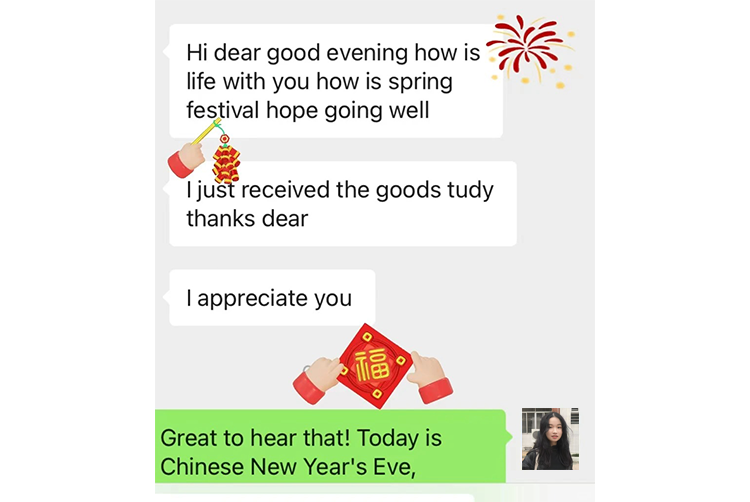
The DIY Trap (The "Translator" Mistake)
Many businesses try to save money by hiring a freelance translator or doing it themselves.
- The Problem: A translator only translates words. If a supplier says, "We can't do that price," a translator will just tell you, "No." They have less experience on foreign trading.
- The Risk: You are fighting alone. You don't know if the price is fair, and don't know the cultural nuance.
The Professional Approach: Deal Brokering
We are not just translators. We are Deal Brokers. We represent you, want bring profit for your business, we do not work together with the factory.
Why Language Matters: Business in different regions might done well in different dialects.
- In the Clothes Business, many bosses speak the Chaoshan dialect.
- In Guangdong manufacturing, Cantonese is key.
- Of course, Mandarin is standard.
Don't let language lose you money. Hire a Local Guide
If you (or your translator) only speak English or basic Mandarin, you are an "outsider." Our team speaks English, Mandarin, Cantonese, and Chaoshan. When we negotiate for you in the local dialect, the dynamic changes. We get the "local price," not the "tourist price." We build relationships that a simple email can never achieve.
3. Accessing "Hidden" Suppliers Beyond Alibaba
If your sourcing strategy is "Search on https://www.google.com/search?q=Alibaba.com," you are missing 80% of the market.
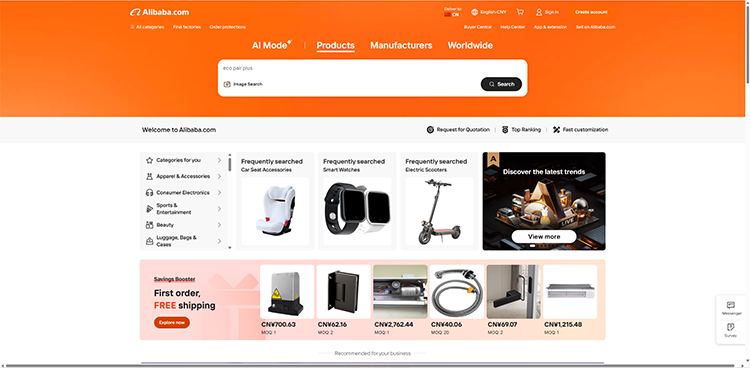
The Limits of B2B Platforms
In 2026, Alibaba is great for beginners, but it is expensive. The suppliers there pay high advertising fees, and they pass those costs on to you.
1688.com and The "Deep Web" of Sourcing
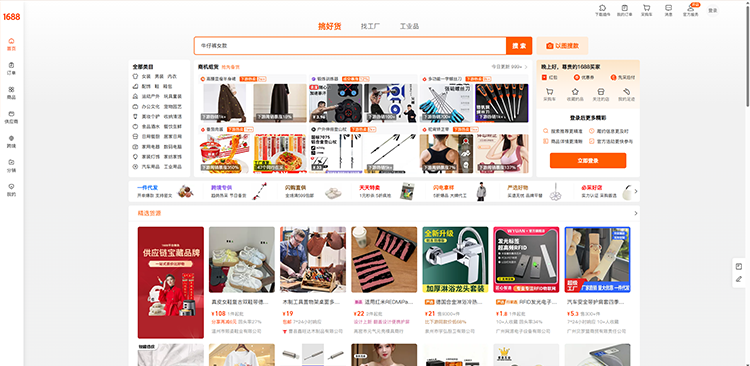
The best prices in China are often found on 1688.com (the domestic version of Alibaba) or in offline wholesale markets.
- The Barrier: These platforms are in Chinese. The suppliers often don't speak English and don't have export licenses.
- Our Solution: We act as your bridge. We source directly from 1688 and offline industrial zones to get the domestic wholesale price. Then, we handle the export process for you.
Case Study: Home Renovation Projects
Imagine you are building a hotel or renovating a house. You need tiles, faucets, furniture, lights, and curtains.
- The Nightmare: Buying from 10 different Alibaba suppliers means 10 different shipping fees, 10 different quality standards, and chaos.
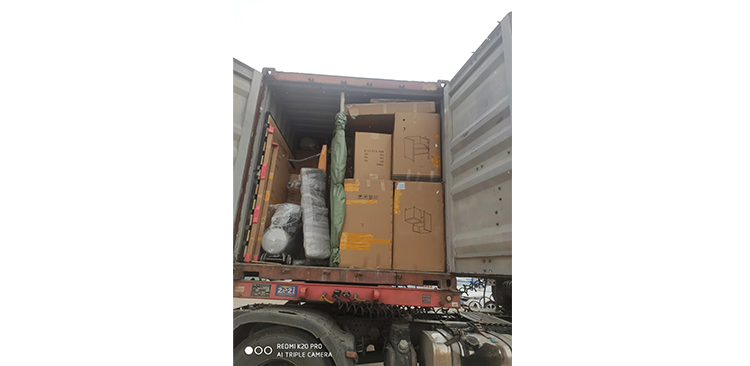
- The Solution: We consolidate everything. We source from specialized factories in Foshan (for tiles) and Zhongshan (for lights), collect them in our warehouse, and ship them as one container. This saves you thousands of dollars.
4. How to Spot "Fake Factories"
The biggest fear for any buyer is the "Fake Factory." You send money, and the supplier disappears. Or, you think you are buying from a manufacturer, but you are actually buying from a middleman who marks up the price by 30%.
Paper vs. Reality
A supplier can send you a beautiful PDF brochure and a fake Business License. In 2026, Photoshop is very good. You cannot verify a supplier from behind a computer screen.
Our Verification Checklist
We don't trust; we verify.
- Business License Audit: We check the official government database. Does the business scope match your product? (e.g., A "Technology Company" shouldn't be selling "Chemical Cement Additives").
- Location Check: We verify the address. Is it a factory in an industrial zone, or an office in a residential building?
- The "Class Consistency" Check: If a factory make shoes, but we find they are also selling pet toys and phone cases, they are a trading company.
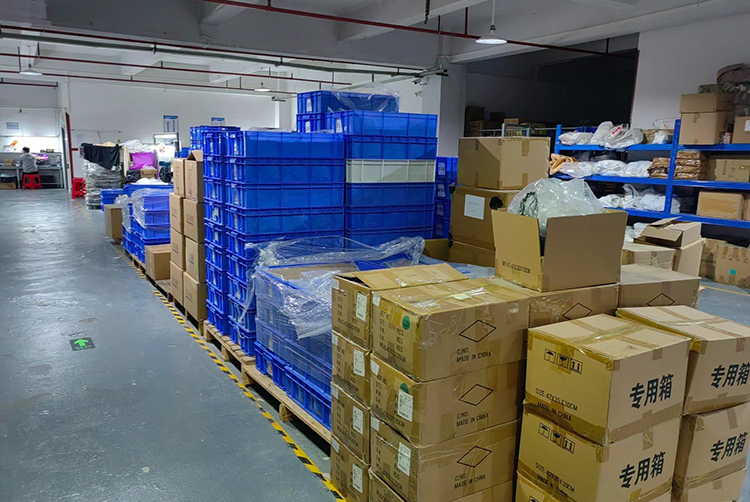
- On-Site Visit: For large orders, we physically go to the factory. We look at the machines and inventory. We confirm they actually exist.
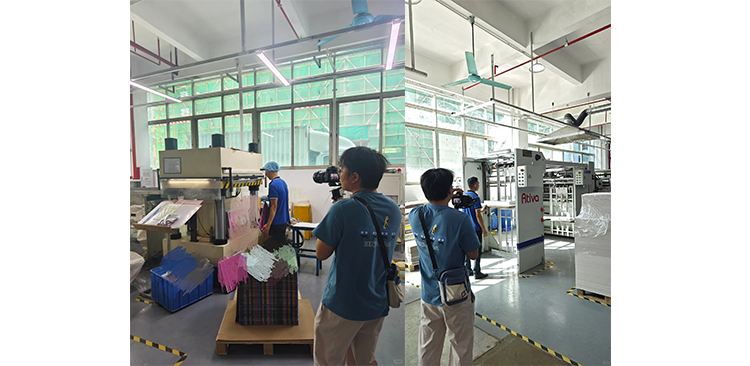
Never send a deposit until a third party has verified the factory exists. We act as your eyes on the ground.
This is a classic story:
- You order a sample. It is perfect (The "Golden Sample").
- You place a large order.
- The goods arrive, and 20% of them are defective.
Why does this happen? Because Quality Processes often exist only on paper.
The Problem: The "Bait and Switch"
Factories often use their best machines for samples and outsource your mass production to a cheaper workshop. Or, they change the raw material slightly to save money.
Our Solution: Visual Production Management
We refuse to let this happen. We believe in Production Visibility.
- Materials Check: Before production starts, we check the raw materials.
- During Production: We don't wait for the end. We send you photos and real-time videos from the production line. You can see your product being made.
- Locking the Specs: For technical items like Chemicals, we ensure the formula matches the sample. For Shoes, we ensure the glue and stitching match the approved standard.
- Pre-Shipment Inspection: We provide a detailed QC report. If there are defects, we find them in China, where they can be fixed—not in your warehouse when it's too late.
6. Protecting Your Investment
Contracts in China are different. A standard Western contract might be useless in a Chinese court.
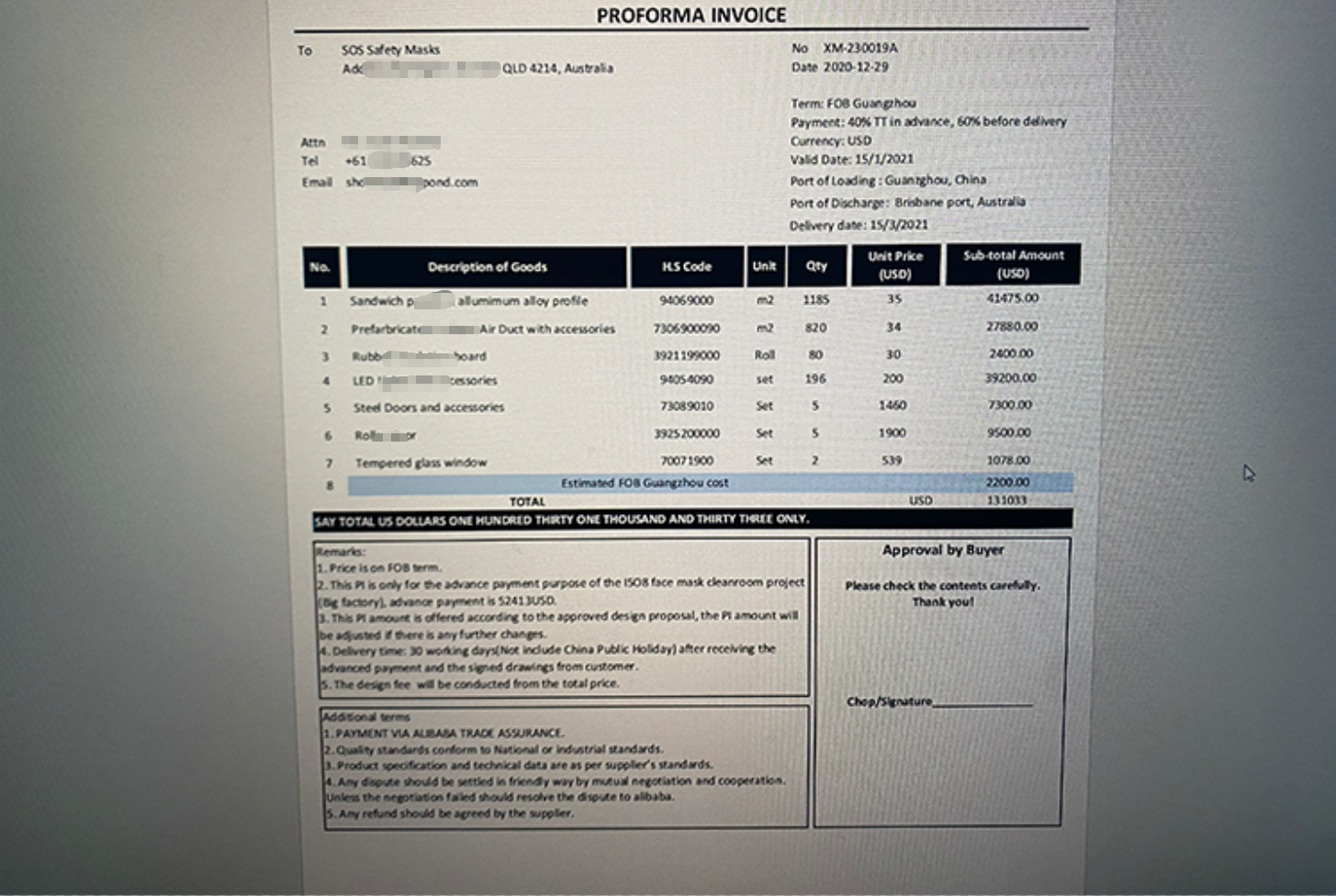
The "PI" (Proforma Invoice) is Not Enough
Many buyers just sign a simple PI. This is dangerous.
- What we do: We ensure every PI includes clear terms on Lead Time, Reamrk, Paymernt Terms(what and Quality Standards.
Preventing Cost Leaks
- Price Volatility: Suppliers often quote low, then raise the price later claiming "material costs went up." Because we monitor the market, we know if a price hike is real or just a lie.
- Payment Terms: We advise on milestone payments (e.g., 30% deposit, 70% after QC inspection). Never pay 100% upfront.
7. Navigating Customs and Shipping
You have bought the goods and it's ready for get them home.
The Logistics Minefield
Shipping rates change weekly. Customs regulations (especially the US CBP) are strict.
- The Trap: Choosing the cheapest freight forwarder. Cheap forwarders often cut corners, leading to your cargo getting stuck in customs for weeks. It will delay on your selling peak.
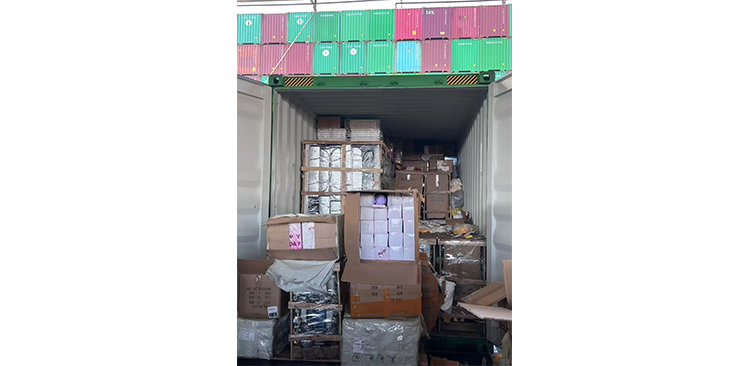
Our Logistics Philosophy: Stability Over Price
We work with freight forwarders who are reliable.
- For Seasonal Goods (like Shoes): Missing a season is a disaster. We prioritize Lead Time Security.
- Duties and Taxes: Whether you need DDP (Delivered Duty Paid) or DAP (Delivered at Place) or EXW (Ex Works) or FOB (Free On Board), we guide you through the paperwork to ensure you don't get hit with unexpected fines.
- Consolidation: Example: For our Home Renovation clients, we combine goods from 10 factories into one container, handling all the complex export paperwork so you receive one simple shipment.
Your Partner in Growth
Sourcing from China in 2026 is full of opportunities, but also full of risks. You can try to navigate the language barriers, the fake factories, and the logistics headaches alone. Or, you can focus on growing your brand and let us handle the complex work.
We are your Deal Brokers. We are your Quality Inspectors. We are your Logistics Managers.
From the chemical plants to the clothes factories of the Chaoshan region, we are on the ground, speaking the language, and fighting for your interests.
Ready to start your sourcing journey? Don't guess. Don't gamble. [Contact Us Today] for a free consultation on your next project.
Frequently Asked Questions (FAQ) about Sourcing from China
1. Is it better to source directly on Alibaba or use a sourcing agent in 2026?
While Alibaba is a good starting point for research, relying on it effectively cuts you off from the "real" wholesale market. A professional sourcing agent (Deal Broker) gives you access to 1688.com and offline industrial clusters where prices are significantly lower. Furthermore, agents like us speak local dialects (such as Cantonese and Chaoshan), allowing us to negotiate better terms that a standard English-speaking Alibaba sales rep would never offer.
2. How can I verify if a Chinese supplier is a real factory or a trading company?
You cannot verify a supplier just by looking at their website or PDF certificates. We perform on-site due diligence to ensure "Class Consistency." For example, if you are buying shoes, we verify that the factory's production line is actually making shoes, not outsourcing them. We check their physical address, machinery, and warehouse stock to ensure you are dealing with a legitimate manufacturer, not a middleman.
3. How do I prevent quality issues when scaling up from samples to mass production?
The "Golden Sample" trap is common: the sample is perfect, but the mass production fails. We prevent this through Visual Production Management. Instead of waiting for the final shipment, we provide real-time photos and videos from the factory floor during the production process. Whether it is verifying the chemical formula for cement additives or checking the stitching on shoes, we treat every order like the first one to prevent quality fade.
4. What industries do you specialize in for sourcing?
We are not a "jack-of-all-trades." Our team has deep expertise and location-based advantages in specific sectors:
- Products Packaging: We are based in Guangdong, the heart of China's high quality packaging industrial cluster.
- Cloth Business: We leverage our local Chaoshan dialect to navigate the cloth manufacturing hubs.
- Home Renovation Projects: We specialize in consolidating complex orders (tiles, lights, furniture, HVAC) from multiple factories into a single shipment.
5. Do you handle shipping and customs clearance for international buyers?
Yes. We believe that logistics is about reliability, not just the lowest price. We work with trusted freight forwarders to manage the entire process, including DDP (Delivered Duty Paid) and customs clearance. Our goal is to secure your lead times and ensure your goods arrive safely, without unexpected delays or hidden costs at the border.