Getting a better price from a Chinese supplier does not simply mean asking for a discount. A successful negotiation starts with understanding the product, researching its market price and knowing what contributes to its manufacturing cost. Order quantity, supplier relationships and the choice of manufacturer can also make a difference.
Price Negotiation Starts Before You Contact the Supplier
Negotiating prices with Chinese suppliers can be challenging, but a little research and preparation can make the process much easier.
One important point from our earlier sourcing experience is that negotiating with suppliers serving international markets is different from bargaining with street vendors or small retail shops. International suppliers generally work with more transparent quotations. They do not necessarily add an extremely large markup that buyers can simply negotiate away.
This means buyers should not expect a supplier to reduce a quotation dramatically without a reasonable explanation. Before asking for a lower price, understand what the product should cost and what price would still allow your business to remain profitable.
The objective is not to force a supplier to accept the lowest possible number. It is to reach a price that works for both sides and allows the supplier to deliver the product as agreed.
1. Understand What Determines the Product Price
A supplier's quotation is influenced by several cost factors. Buyers who understand these factors are in a better position to judge whether a quotation is reasonable and where there may be room for negotiation.
Raw Material Prices
Raw materials can represent a significant part of a product's cost. Their prices can also change considerably over time. For example, the original sourcing article discussed major fluctuations in cotton prices.
Before negotiating, familiarize yourself with the main materials used in your product and their market prices. This gives you a better understanding of the supplier's cost and helps you evaluate whether a quotation is reasonable.
Energy Costs
Energy is another component of manufacturing costs. However, it can be difficult for buyers to estimate exactly how much energy contributes to the price of an individual product.
Buyers with production or engineering experience may be better equipped to estimate this part of the cost. Even if you cannot calculate it precisely, recognizing that energy consumption affects manufacturing costs can help you understand the quotation.
Taxes and Export-Related Costs
The original article also identified taxes and export tax rebates as factors that could affect a supplier's pricing. The applicable treatment may depend on the product and the tax policies in effect.
These rules can change, so buyers should not rely on historical rebate figures when negotiating a current order. The useful point is to recognize that tax treatment may form part of the supplier's cost calculation.
Labor Costs
Labor is another important part of manufacturing costs. The original article noted that labor costs vary between regions in China, rather than being the same across the country.
A product made in one region may therefore have a different labor-cost structure from the same product made elsewhere. Buyers should consider the manufacturing location when comparing quotations.
Factory Overhead
Factory overhead includes expenses such as rent, office utilities, supplies and management wages. Rent is one of the main components, and it can vary by region.
The original article also described how some manufacturers may locate production facilities in lower-cost regions while maintaining sales offices in more commercially developed areas. The location of a supplier's sales office does not necessarily tell you where its products are manufactured.
RMB Exchange Rate Fluctuations
When a buyer pays in a foreign currency but the supplier's costs are mainly in RMB, exchange-rate movements may affect the supplier's pricing decisions.
This becomes particularly relevant when an order has a long production period. Buyers and suppliers should agree in advance on the transaction currency and clarify who bears the risk if the exchange rate changes.
| Cost factor | What buyers should understand |
|---|---|
| Raw materials | Material prices can change and may represent a significant share of product cost. |
| Energy | Energy consumption contributes to manufacturing costs, although it may be difficult to estimate. |
| Taxes | Tax treatment and export-related rebates may affect the supplier's cost calculation. |
| Labor | Labor costs differ between manufacturing regions. |
| Overhead | Rent, utilities, office expenses and management wages contribute to factory overhead. |
| Exchange rate | Currency movements may affect the final amount received by the supplier. |
2. Compare Similar Products to Understand the Market Price
One of the simplest ways to understand whether a supplier's quotation is reasonable is to compare similar products from different suppliers.
The original article recommended checking product listings on B2B platforms such as:
- Alibaba
- Made-in-China
- Global Sources
These platforms can give buyers an initial reference for the market price of a product. However, a listed price should not automatically be treated as the final manufacturing price.
Compare products with similar materials, specifications and requirements. A quotation for a different product configuration may not provide a meaningful comparison.
You can also contact several potential suppliers and compare their quotations. If you are not an experienced buyer, comparing prices across different suppliers can help you develop a better understanding of the reasonable price range.
For more information about finding suppliers through B2B platforms, see our guide to B2B marketplaces for small businesses.
3. Know Your Target Price Before Negotiating
After researching the market and understanding the main cost factors, you should have a reasonable idea of the price you are prepared to pay.
The original sourcing material makes an important distinction: every industry and product has a lowest realistic price. Experienced traders may estimate this price by understanding raw material costs, labor, energy and the production process.
Buyers who are less familiar with an industry can start by comparing quotations from several suppliers and researching the main materials used in the product.
This preparation helps you avoid negotiating without knowing what you are asking for.
An unusually low price may be used to attract a buyer. In some cases, after the buyer has committed time and money and production has started, the supplier may increase the price and provide various explanations. A very low initial quotation should therefore be examined carefully rather than accepted immediately.
4. Use Order Quantity as Part of Your Negotiation
Order quantity is one of the most direct factors buyers can discuss when negotiating prices.
For Significant Quantities: Ask About Bulk Pricing
When a buyer places a significant order, bulk pricing may be available. Suppliers may be more willing to offer a better unit price when the order quantity is larger.
Instead of asking only for a discount, ask the supplier to quote different quantity levels. This allows you to see how the unit price changes as the order quantity increases.
For Smaller Quantities: Explain That It Is a Trial Order
Smaller buyers may not have the same purchasing power as companies placing large orders. However, the original article suggested explaining that the current order is a trial order, with larger orders planned for the future.
If this reflects your genuine business plan, communicating it to the supplier may help them understand the potential for future cooperation.
Do not promise quantities you cannot reasonably expect to purchase. The purpose is to explain the real potential of the business relationship, not to make an unrealistic commitment.
Ask the supplier to compare a trial quantity with a larger order quantity. You can then evaluate whether the difference in unit price justifies increasing the order.
If you are still deciding how much to order, our guide to Minimum Order Quantity (MOQ) may also be helpful.
5. Build a Better Connection with Your Supplier
Price is not the only part of a supplier relationship. The original wholesale pricing article also emphasized the importance of building a connection with suppliers.
A buyer who wants a supplier to take their business seriously should not focus only on asking for lower prices. Communication, mutual understanding and the way both sides treat each other can influence the working relationship.
The old article also highlighted that overseas suppliers should receive exceptional treatment. In practical terms, this means recognizing the value of the supplier relationship and making an effort to maintain good communication and cooperation.
A supplier is more likely to understand your requirements when you communicate clearly and treat the cooperation as a business relationship rather than a one-time price transaction.
For buyers who plan to work with the same supplier over multiple orders, building a good connection can be just as important as negotiating the first quotation.
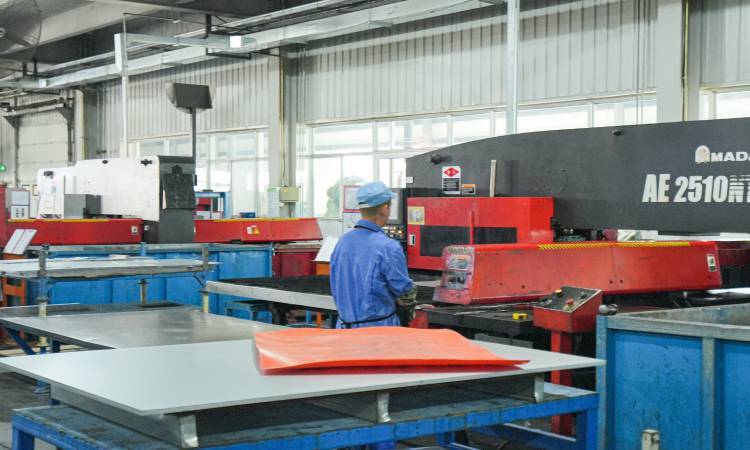
6. Dig Deeper to the Core: Find the Manufacturer
Another point from the original wholesale pricing article was to dig deeper to the core of the supply chain.
When buyers purchase through several layers of intermediaries, each layer may add its own margin. Finding the actual manufacturer may therefore provide an opportunity to understand the production cost more directly.
However, reaching a factory does not automatically guarantee the lowest price. The manufacturer still needs to cover materials, labor, energy and overhead.
The important point is to understand who is actually producing the goods and how the supply chain is structured before making a price decision.
You can begin by comparing suppliers found through Alibaba supplier research and checking whether the company is the actual manufacturer or a trading intermediary.
7. Agree on the Currency and Exchange Rate in Advance
Currency is an important detail that should be discussed before confirming an order, especially when production takes a long time.
If the supplier quotes in one currency but receives payment in another, exchange-rate fluctuations may affect the final amount received.
The original price negotiation article recommended agreeing on the transaction currency and the exchange rate in the contract.
For buyers and suppliers, the key is to clarify the following before production:
- Which currency will be used for the order?
- Which exchange rate will be applied, if relevant?
- Who will bear the risk if the exchange rate changes?
These points are particularly important when the period between quotation and final payment is lengthy.
8. A Practical Price Negotiation Checklist
Before asking a Chinese supplier for a better price, review the following points based on the original sourcing recommendations.
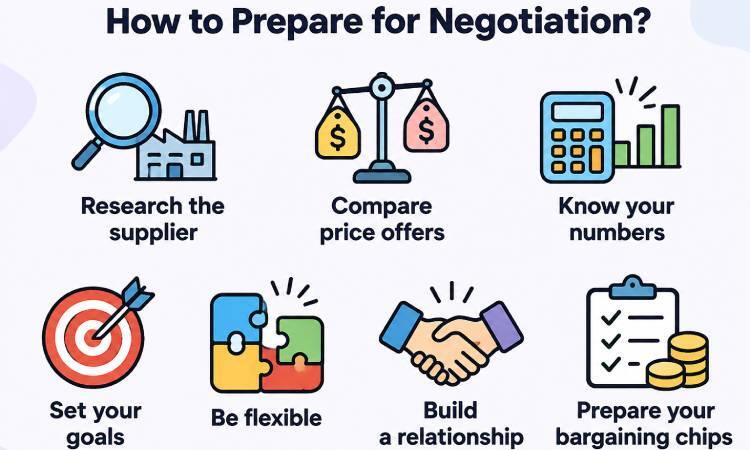
- Research similar products on B2B platforms to understand the market price.
- Understand the main cost factors, including materials, energy, labor and overhead.
- Compare quotations from different suppliers.
- Determine a realistic target price that still allows your business to remain profitable.
- Discuss bulk pricing when ordering significant quantities.
- For a smaller order, explain the genuine potential for future business if applicable.
- Build a good working relationship with the supplier.
- Understand whether you are dealing directly with the manufacturer.
- Agree on the currency and exchange-rate arrangement in the contract.
How KOISOURCING Helps Buyers Negotiate with Chinese Suppliers
For international buyers, negotiating with a supplier can involve more than discussing the unit price. Understanding the supplier, comparing quotations and communicating product requirements are all part of the purchasing process.
KOISOURCING supports overseas buyers with supplier research, quotation comparison, factory communication, sample coordination, quality inspection and purchasing follow-up in China.
For buyers comparing several suppliers, we can help organize quotation information and communicate with suppliers about product specifications, order quantities and pricing arrangements.
The goal is to help buyers make better-informed purchasing decisions and establish workable cooperation with suitable suppliers, rather than simply push for the lowest quotation.
Learn more about KOISOURCING's sourcing services or contact our team to discuss your product and purchasing requirements.
Frequently Asked Questions
Can buyers negotiate prices with Chinese suppliers?
Yes. However, suppliers serving international markets generally work with more transparent pricing. Buyers should understand the product's costs and market price before negotiating, rather than expecting an extremely large reduction without a reasonable basis.
Does ordering larger quantities help buyers get better prices?
Significant quantities may qualify for bulk pricing. Ask the supplier to quote different order quantities so you can compare the unit prices.
What factors affect the price quoted by Chinese manufacturers?
Important factors include raw material prices, energy costs, taxes, labor costs, factory overhead and currency fluctuations.
How should buyers negotiate when ordering a small quantity?
Explain that the current order is a trial order and discuss the possibility of larger future orders if this reflects your genuine business plan.
Should buyers always choose the supplier offering the lowest price?
No. An unusually low quotation may not be realistic. Some suppliers may increase their prices after production starts, so buyers should compare quotations and understand the cost structure before making a decision.