You have found a Chinese factory online, received a quotation and can contact its sales team directly. So why pay a sourcing agent or trading company? It is a fair question. Contacting a factory, however, is only the first step. The real work often comes afterwards: comparing suppliers, confirming details, coordinating orders and making sure the goods meet your requirements.

1. You Have the Factory's Contact. What Could Go Wrong?
Buying directly can work very well when you have a reliable manufacturer, clear product specifications, sufficient order quantities and an experienced team managing the process. But a factory quotation does not answer every question.
You may still need to confirm materials, technical details, packaging, carton dimensions, production schedules and export requirements. Some answers involve several departments inside the factory. If information is unclear or a requirement is misunderstood, you may need repeated follow-ups—sometimes across different languages and time zones.
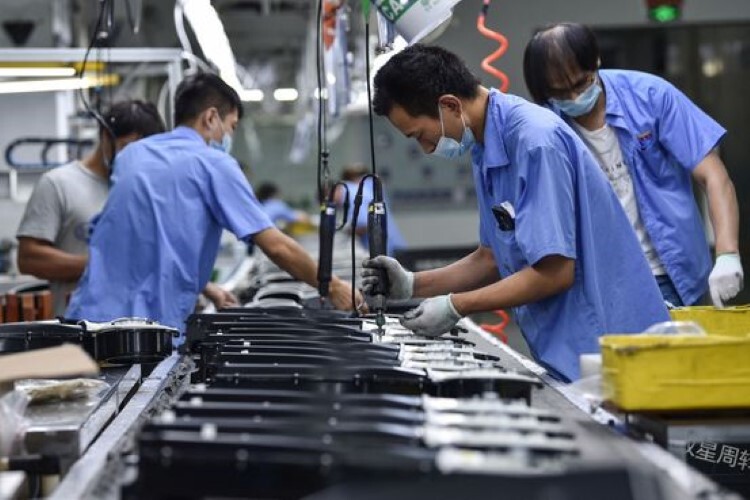
A sourcing agent can help communicate your requirements, follow up on unanswered questions and coordinate details with the supplier. This does not replace the factory's technical responsibility. It helps ensure that the buyer's requirements are clearly passed on and followed through.
2. One Factory Is Not Enough for Every Purchasing Need
Imagine your business needs kitchen accessories, promotional products, packaging materials and home-use equipment. These products may belong to completely different manufacturing industries. You can contact each factory yourself, but you will also need to research suppliers, compare quotations, check samples and follow production separately.
This becomes even more demanding when you have small orders or mixed product requirements. Some factories prefer larger, standardized orders and may not be interested in handling every small request. A sourcing partner can help identify suppliers that match your quantities, compare their terms and coordinate orders across different manufacturers.
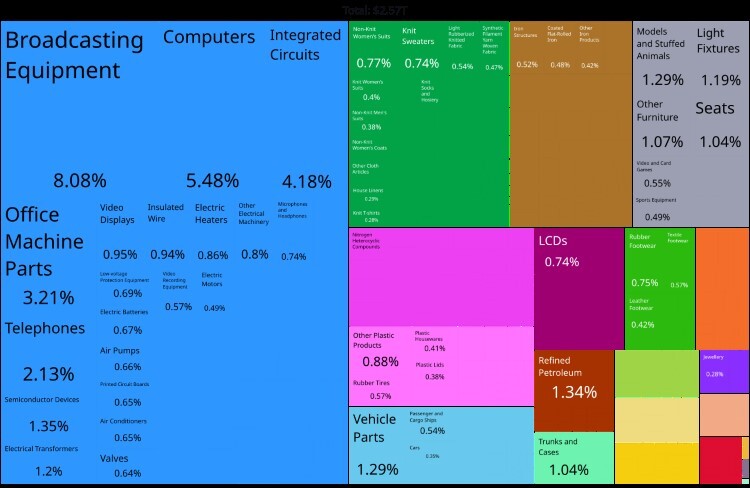
If you are building a supplier network, our guide to sourcing from China explains the main stages of finding and working with suppliers. You can also learn more about minimum order quantities (MOQ) before requesting quotations.
3. Is the Factory's Lowest Price Really the Cheapest?
A direct factory quotation may have a lower unit price because there is no trading-company resale margin. But the unit price is only one part of the purchasing decision. You should also consider the time and resources needed to find suppliers, compare equivalent specifications, coordinate samples, follow production, arrange inspection and solve problems.
A sourcing agent may charge a service fee or commission. A trading company may include its margin in the resale price. Neither arrangement is automatically better or worse: the important point is to understand what is included and compare the total purchasing arrangement.
| Task | Direct Factory Purchase | Using a Sourcing Partner |
|---|---|---|
| Supplier research | Managed by the buyer | Can be included in sourcing services |
| Quotation comparison | Buyer contacts and compares suppliers | Agent can coordinate comparisons |
| Samples and production | Buyer follows each factory | Can be coordinated by the agent |
| Quality inspection | Buyer arranges inspection | Agent may arrange and follow up inspection |
| Fees and margin | Usually no sourcing-agent fee | Depends on the agreed service or trading model |
4. Who Handles Quality Problems and After-Sales?
What happens if the product does not match the approved sample, cartons arrive damaged or the quantity is incorrect? Someone needs to collect the evidence, communicate with the factory and follow up on a solution.
The discussion comments used as background for this article included individual examples of compensation and replacement arrangements. These experiences show why responsibility should be clarified before an order is placed; they do not mean every sourcing agent or trading company accepts the same obligations.
- Who confirms the final product specifications?
- Who arranges pre-shipment inspection?
- What happens if inspection results are unacceptable?
- Who follows up on defects, rework or replacement?
- What responsibilities are written into the contract?
For a better understanding of inspection sampling, see our guide to Acceptable Quality Level (AQL).
5. Sourcing Agent or Trading Company: Which One Do You Need?
A sourcing agent and a trading company can both help overseas buyers work with Chinese suppliers, but their roles are different. A sourcing agent primarily provides procurement services. A trading company generally purchases products from suppliers and resells them to overseas customers.
| Area | Sourcing Agent | Trading Company |
|---|---|---|
| Primary role | Provides procurement services for the buyer | Buys and resells products |
| Supplier work | Researches and evaluates suppliers | Selects suppliers for its sales business |
| Revenue model | Service fee or commission, as agreed | Usually resale margin |
| Transaction | May act as a service provider or also trade | Usually acts as the seller |
Direct factory purchasing may be the right choice if you already have a reliable manufacturer, buy in suitable quantities, understand the product requirements and have your own team to manage communication, quality and shipping. A sourcing partner may make more sense when you need several product categories, multiple suppliers, small or mixed orders, local follow-up or help coordinating the purchasing process.
Some sourcing companies also have trading and export capabilities. In that case, ask who will be the seller, who receives payment, who issues the sales documents and who handles export customs. The actual arrangement should be clear before cooperation begins.
6. What If Your Sourcing Partner Can Also Handle Trading and Export?
For some buyers, it is useful to work with a company that can coordinate suppliers while also managing the commercial purchasing and export process. The exact scope depends on the agreed cooperation model, so buyers should confirm the transaction structure and responsibilities in advance.

How KOISOURCING Works
KOISOURCING is a Guangzhou-based sourcing and trading company. We support overseas buyers with supplier research and procurement coordination, and can also manage purchasing and export transactions under the agreed business model.
- Supplier sourcing: Find manufacturers across different product categories.
- Quotation comparison: Compare prices, specifications and supplier conditions.
- Sample coordination: Follow sample development and confirm product requirements.
- Quality inspection: Arrange inspections and communicate quality findings.
- Order and export coordination: Coordinate purchasing, documentation and shipment arrangements.
We do not claim that working through us will always produce the lowest factory price. Our role is to help buyers manage the supplier communication, purchasing work and coordination involved in sourcing from China.
Learn more about how to work with a private China sourcing agent.
Frequently Asked Questions
If I can contact Chinese factories directly, why use a sourcing agent?
Contacting a factory is only one part of purchasing. Buyers may still need to research suppliers, compare quotations, clarify specifications, coordinate samples, follow production and arrange inspections. A sourcing agent can coordinate these tasks, especially when several suppliers or product categories are involved.
Is buying directly from a factory always cheaper?
Not necessarily. Compare the full purchasing cost, including supplier research, communication, quality follow-up, packaging, logistics and your own management time—not only the unit price.
What is the difference between a sourcing agent and a trading company?
A sourcing agent primarily provides procurement services such as supplier research and purchasing coordination. A trading company generally purchases products from suppliers and resells them to overseas customers. Some sourcing companies also have trading and export capabilities.
When is direct factory purchasing a good choice?
Direct purchasing may suit buyers who already have a reliable manufacturer, clear specifications, sufficient order quantities and the resources to manage communication, quality, production and shipping.
Can a sourcing company also handle purchasing and export?
Some sourcing companies also have trading and export capabilities. Confirm who sells the goods, receives payment, issues the sales documents and handles export customs.
Source Notes
This article draws on online discussion comments from factory employees, trading company representatives and sourcing professionals. Examples and figures in those comments were individual statements or experiences, not independently verified industry statistics or universal business practices. The article therefore uses them as discussion context rather than market-wide evidence.